
BLS does not report commercial work separately, but these are the roles that populate the upper tail of SOC 13-1031: the 75th percentile was $98,030 and the 90th $117,040 in May 2025. Commercial adjuster salary reflects the judgement and documentation these files demand.
What makes large-loss work different
- Higher limits and coinsurance, valuation and code-upgrade questions
- Business income and extra expense calculations, often with forensic accountants
- Engineers, building consultants and environmental specialists
- Months-long timelines with partial payments and proofs of loss
How people reach commercial adjuster salary levels
Most commercial adjusters start in residential property, then move into small commercial files, then into a large-loss unit. Independent firms also run large-loss divisions that pay senior adjusters well on fee schedules tied to loss size. A construction background shortens the path because commercial estimates are built trade by trade.
Large loss adjuster pay on the policyholder side
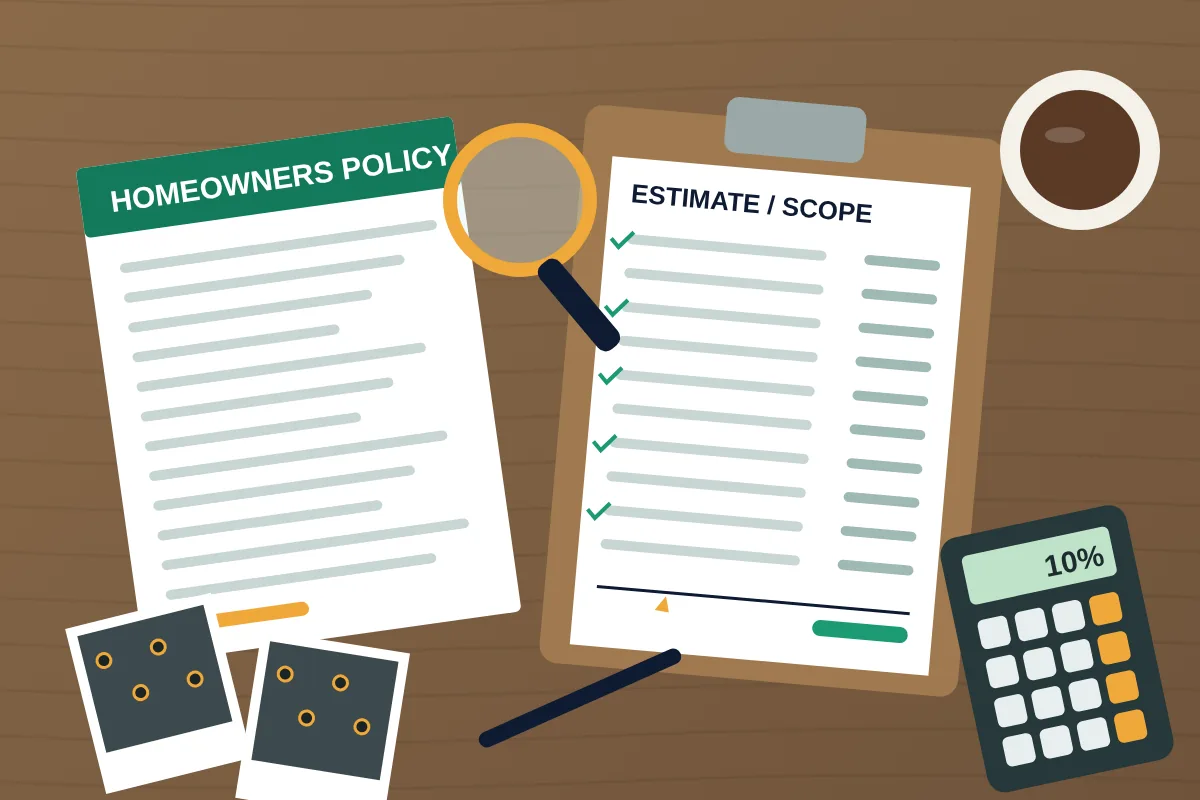
Commercial claims are also where many public adjusters focus, because business owners rarely have staff who understand policy language or business income worksheets. Joseph Dittman's 2025–2026 public adjusting work on commercial claims across Austin, Dallas, San Antonio, Fort Worth and Houston is an example of that market in Texas. Read how public adjusters get paid for how percentage fees apply to large claims.
Frequently asked questions
What is a large loss adjuster?
An adjuster who handles high-value or complex property claims, usually commercial, often with business income losses and outside experts.
Do commercial adjusters make more than residential adjusters?
Generally yes. The complexity and value of commercial files place these roles in the upper part of the BLS pay distribution.
How long does it take to become a commercial adjuster?
It varies, but most people spend several years on residential property claims before moving into commercial or large-loss units.